Meet The Team
-
![]()
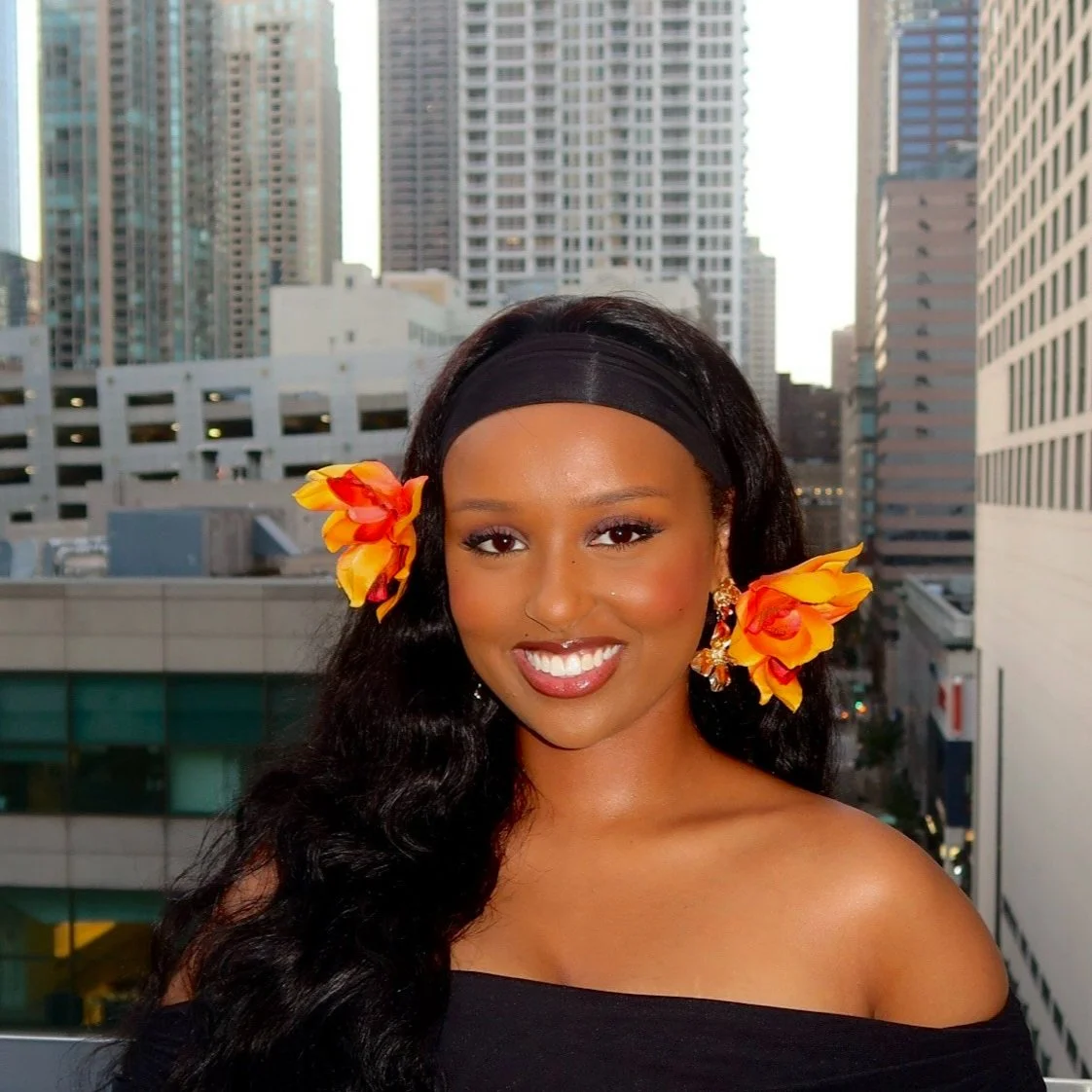
Ayan Musse, Founder
Ayan Musse is the visionary founder of Restart Washington. A lifelong advocate for justice and community power, Ayan established the organization to amplify the leadership of BIPOC communities and build systems rooted in equity, healing, and liberation. Her work bridges policy and people, grounding strategic organizing in cultural wisdom, lived experience, and anti-racist principles.
Ayan leads with clarity, courage, and care — whether she’s facilitating coalition spaces, mentoring emerging leaders, or holding systems accountable. Her founding vision continues to shape Restart Washington’s commitment to transformative change across immigration, housing, transportation, education, and beyond.
-
![]()
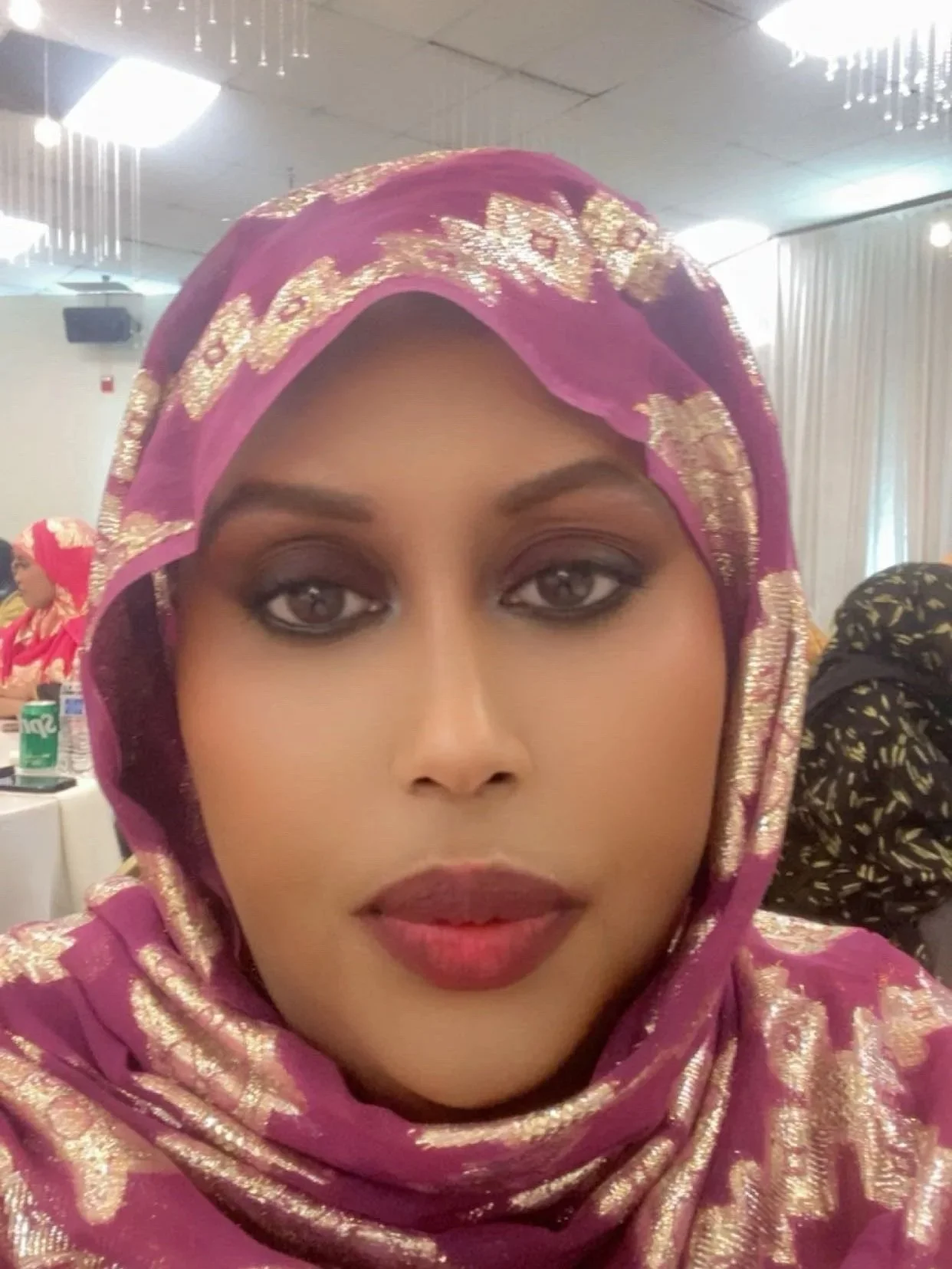
Hayate Lencha, Equity & Justice Director
Hayate Lencha is the Director of Equity and Justice at Restart Washington, where she leads the organization’s strategic efforts to dismantle structural oppression across policy, practice, and community engagement. With a background in transformative justice and movement building, Hayate ensures that all programs, partnerships, and campaigns align with anti-racist values and the lived realities of those most impacted.
Hayate builds bridges between communities and institutions — demanding accountability while co-creating solutions. Her leadership strengthens Restart Washington’s role as both a disruptor of harmful systems and a builder of equitable futures.
-
![]()
Deka Osman, Early Childhood Education Director
Deka Osman is an early learning leader committed to building nurturing, culturally responsive, and equitable environments for children and families. As an Early Childhood Learning Director, Deka designs and oversees programs that prioritize the holistic development of young learners — particularly those from immigrant, refugee, and historically marginalized communities.
With a deep understanding of child development and a passion for racial equity, Deka ensures that every classroom is not only a place of learning, but a space of safety, joy, and belonging. She trains educators, collaborates with families, and advocates for systems that support the full humanity of children from birth onward.
-
![]()
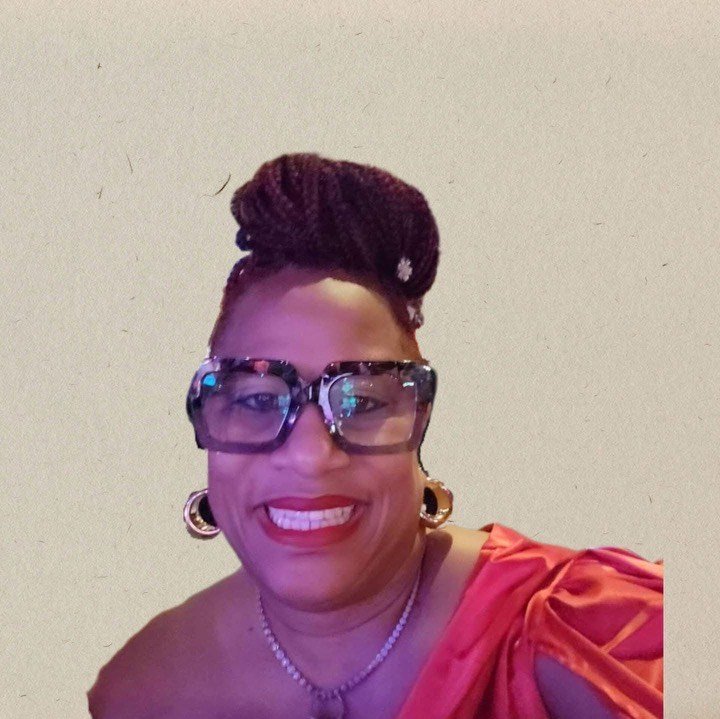
Letta Mason, Education Director
Letta S. Baker Mason, MA, M.Ed., is the Education Director at Restart Washington, where she leads with over 20 years of experience in culturally responsive pedagogy, restorative education, and curriculum development across early learning, K-12, higher education, and justice-involved systems. A nationally recognized educator and founder of Sankofa Educational Services, Letta has created transformative curricula for global and local leaders—including projects with President Nelson Mandela and Princess Kasune Zulu—and currently teaches at Evergreen State College Tacoma, Goddard College, and Seattle Public Schools. Her work centers the arts, multiple intelligences, and Black liberation, making her a powerful force in reimagining education for equity and community empowerment.
-
![]()
KL Shannon, Organizer Director
KL Shannon (she/her) is the Organizer Director at Restart Washington, bringing decades of grassroots leadership rooted in Seattle’s Central District. Her organizing journey began with Jobs with Justice and Mothers for Police Accountability, and has since spanned critical issues including economic justice, housing, immigration, police accountability, and transportation equity. KL has held key roles with Seattle Neighborhood Greenways, Whose Streets? Our Streets!, and Puget Sound Sage, consistently centering BIPOC voices and community-led solutions. As a mentor and caregiver, she is deeply committed to disrupting the school-to-prison pipeline and nurturing the next generation of changemakers. Her work continues to bridge movements and neighborhoods, advancing justice through collaborative, place-based organizing
-
![]()
Jo Wasse
Jo Wasse (she/her) was born in the United States to immigrant parents and grew up navigating multiple cultures, identities, and expectations. As a first-generation American and a Black woman, she has lived at the intersection of African and Black American experiences—witnessing both the beauty of these cultures and the harm caused by misunderstanding and separation.
Her lived experience, combined with years of working alongside youth and families, has shaped a deep commitment to building stronger relationships between Black and African communities. She has seen how division weakens communities, and how unity creates safety, healing, and opportunity—especially for young people.
Bridging the Gap was born from this understanding. The work is personal, restorative, and rooted in the belief that when families come together with honesty, respect, and care, stronger communities are built and a better future is created for the next generation.