Standing Together: How Rapid Response Outreach is Protecting Immigrant Communities in Washington
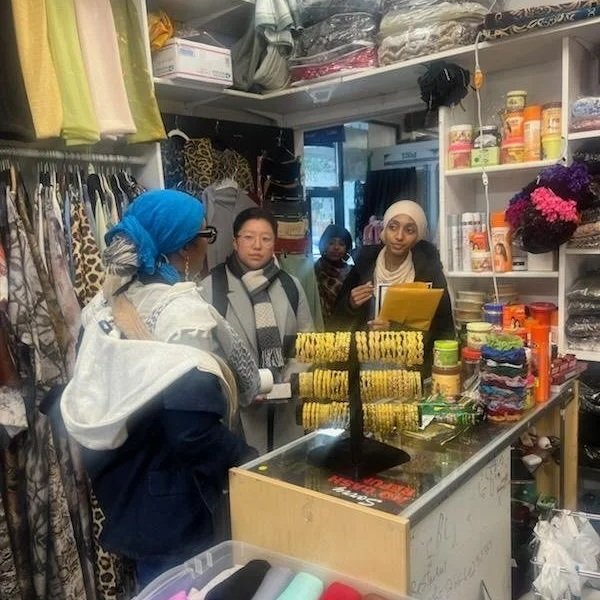
In communities across Washington state — and especially here in King County — people are working tirelessly to make sure every family, neighbor, and friend feels safe, informed, and empowered. For many immigrants, including the large Somali community that calls South King County home, fear and uncertainty around immigration enforcement and ICE activity can create real barriers to safety, stability, and trust.
That’s why local leaders and organizations have stepped up with outreach, education, and rapid response efforts designed to support residents with clear information about their rights and legal protections.
Why This Outreach Matters
Recent national developments involving ICE enforcement have heightened fear among immigrant families across the country — including in our own neighborhoods. Local leaders, from county officials to community advocates, have made it clear that people should feel safe in their homes and in their interactions with government and law enforcement.
Washington state law and local policy prohibit local authorities from assisting ICE with immigration enforcement — and this is a first line of defense for immigrant communities trying to go about daily life without fear of detention or deportation.
Grassroots Outreach: Boots on the Ground
Across King County, a mix of county-led efforts and grassroots partners are working to connect directly with residents:
Community Navigators and Rapid Response Teams — In Washington, the idea of “rapid response” has taken shape both at the state level and locally, with public officials and nonprofit partners organizing teams to provide real-time information on immigration enforcement threats and family separation issues. At the state level, similar rapid response structures have been created to address immigration-related family separation.
Door-to-Door and Community Events — Outreach workers and volunteers go into neighborhoods to distribute materials in Somali and other languages, explain legal rights during ICE encounters, and share contact information for trusted legal aid and immigrant advocacy organizations.
Hotlines and Communication Networks — In times of heightened enforcement activity, community groups and networks quickly broadcast alerts and updates through SMS lists, WhatsApp groups, and social media — including descriptions of what to do and who to call if immigration enforcement arrives at a home or workplace.
Special Focus: Supporting the Somali Community
The Somali community in the Seattle area is one of the largest on the West Coast, and Somali families have felt disproportionate anxiety around immigration crackdowns in recent months. At a community roundtable with state leaders and local officials, Somali residents expressed worry about harassment, misinformation, and door-to-door inquiries that can feel threatening. Advocacy groups and public officials were urged to expand rapid response and public education efforts to address these concerns.
These outreach efforts are about more than just sharing flyers — they’re about building trust and connection so that people feel secure reaching out for help when they need it.
Know Your Rights: What Every Immigrant in Washington Should Understand
Even with federal immigration enforcement taking place, it’s important for every immigrant — regardless of status — to know the basics:
You do not have to open the door to ICE without a warrant signed by a judge.
You can remain silent and request to speak with an attorney.
You have the right to consult with legal counsel before answering questions or signing anything.
Local police in Washington generally do not enforce federal immigration law, and county jails do not hold people on civil immigration detainers.
Outreach teams provide this information in community-friendly formats and in languages that residents speak, because knowing your rights can be a powerful tool for staying safe.
Where People Can Find Support
If you or someone you know is looking for help:
Reach out to trusted immigrant rights organizations in King County and Washington state.
Sign up for community alert systems and ICE mobilization notifications coordinated by local advocacy networks.
Attend community meetings and information sessions that explain rights and legal resources.
Looking Ahead
Efforts like King County’s commitment to community-focused outreach and rapid education are part of a broader push to ensure everyone can live without fear in their neighborhoods. As leaders, residents, and advocates continue to work together, the message is clear: we are stronger when everyone knows their rights, is treated with dignity, and can contribute safely to the community they call home.
